

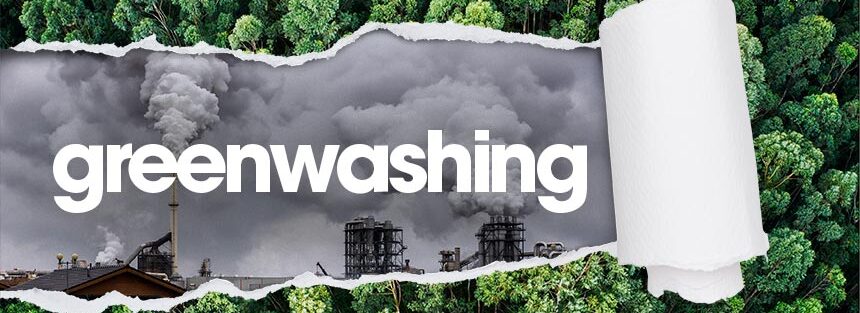
In today’s climate-conscious world, the growing threat of greenwashing has become a significant challenge for organisations committed to authentic sustainability. As public scrutiny intensifies and regulatory frameworks tighten globally, businesses are under increasing pressure to walk the talk—not merely craft impressive sustainability narratives that mask hollow practices.
Dr. Orlando Odejide, a leading voice in sustainability strategy and the founder of A4S Limited, has raised a red flag on the dangers of greenwashing and its long-term consequences. According to him, organisations risk undermining years of brand equity and stakeholder trust through misleading claims that could easily have been avoided with integrity and transparency.
“Greenwashing is more than just a reputational risk—it is an ethical and operational failing that can derail genuine progress in sustainability,” Dr. Odejide stated. “We have observed a worrying trend where companies, knowingly or unknowingly, use carefully packaged language and reports to appear eco-conscious while doing very little in real terms.”
To combat this trend, A4S Limited has taken a proactive step by publishing a comprehensive white paper on the key principles and dimensions of greenwashing. The document is designed to help businesses, governments, and institutions around the world identify and eliminate deceptive sustainability practices. It aligns with globally recognised frameworks and provides practical insights that can guide decision-makers towards credible, impactful environmental stewardship.

READ ALSO: Africa Gears Up for First-Ever Sustainability Summit – ASP 2025
In addition, A4S has developed a practical checklist that allows organisations to evaluate whether their operations and communications reflect true sustainability or fall into the trap of greenwashing. “Sometimes, it’s not about intent. A simple choice of words or a misaligned marketing message can contradict an organisation’s actual sustainability efforts,” Dr. Odejide explained.
The increasing involvement of investors and regulators in sustainability oversight has raised the stakes. Companies that fail to align with verified environmental and social standards are not only at risk of public backlash but may also face financial consequences and legal liabilities. Conversely, those that commit to transparent, measurable, and verifiable sustainability practices are more likely to attract investment, unlock innovation, and gain competitive advantage in evolving global markets.
Dr. Odejide’s message is clear: true sustainability is not about appearances—it is about verifiable action. “We must move beyond image-driven strategies to value-driven transformation. Only then can businesses build trust, contribute meaningfully to the planet, and future-proof their operations in a world that increasingly demands accountability.”
Through tools like its white paper and sustainability checklist, A4S Limited continues to lead the charge in fostering a culture of corporate integrity and environmental responsibility—not only in Nigeria but across the global business landscape.