



The Smarter Manager reframes management as a disciplined, reflective, and strategically intelligent practice rather than a function of authority or task execution.
It presents management as a living discipline—one that integrates systems thinking, human insight, and intentional decision-making to consistently produce results while developing people and safeguarding organizational integrity.
The book argues that managerial excellence is multidimensional, requiring both cognitive rigor and emotional acuity. Decisions are framed not merely as technical choices but as judgments with human, cultural, and systemic consequences. Through practical frameworks drawn from psychology, organizational behavior, and leadership practice, the book equips managers to diagnose organizational health, remove structural and cultural bottlenecks, and translate strategy into sustainable performance.
Central to the book is the idea that effective management depends on self-awareness, accountability, and adaptability. It exposes the hidden managerial failures that quietly erode trust and performance—reactivity, inconsistent standards, conflict avoidance, and neglect of talent development—and challenges managers to confront their own biases and habitual responses. Ultimately, The Smarter Manager positions management as a daily practice of intentionality, principled judgment, and disciplined action, defined not by authority or title, but by the consistent ability to orchestrate outcomes with clarity, foresight, and ethical precision.
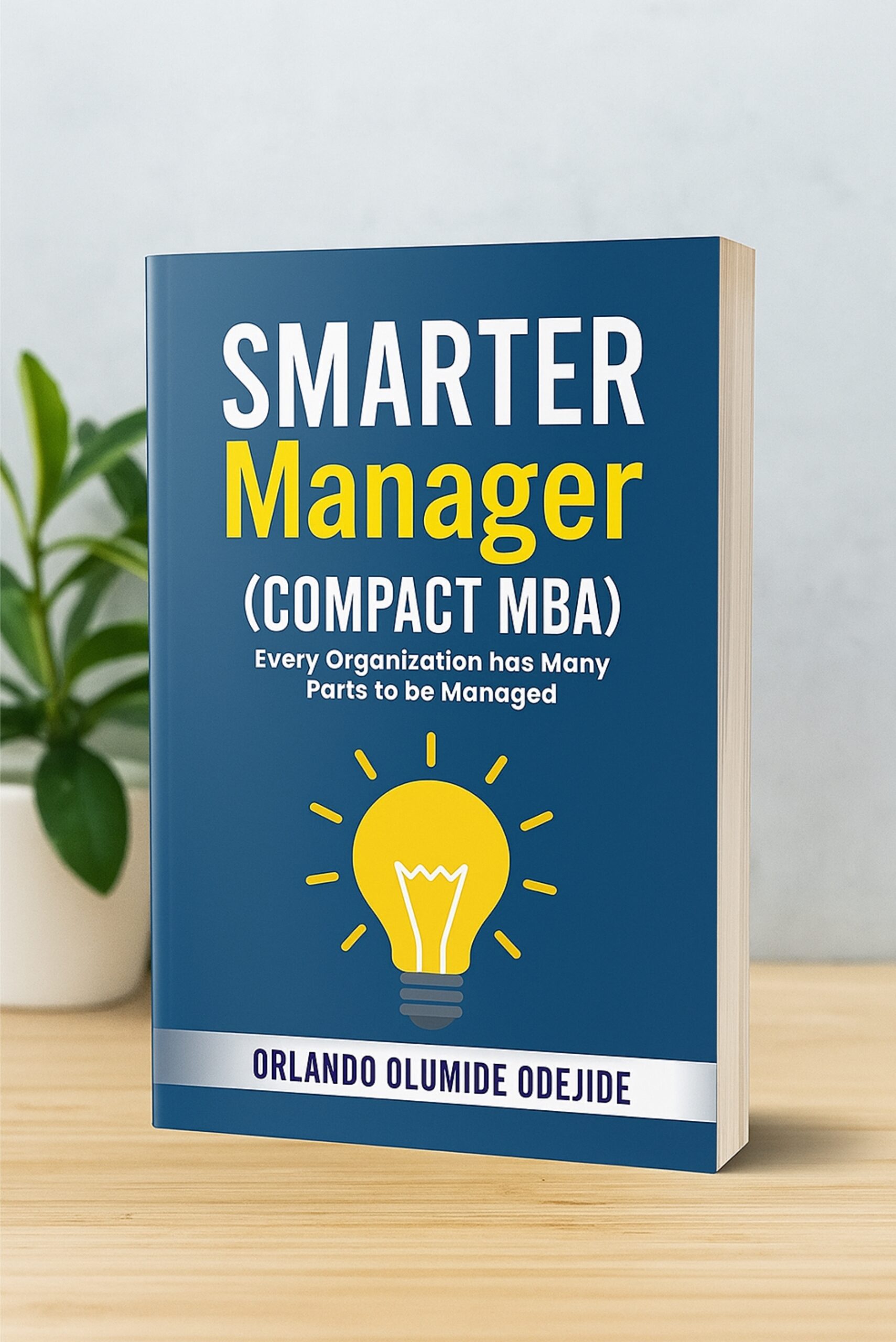
The SMARTER MANAER
Management Is a Strategic and Human Discipline
Effective management extends beyond task control and authority. It requires systems thinking, emotional intelligence, and an understanding of how decisions shape people, culture, and long-term outcomes.
Decision-Making Integrates Structure and Judgment
Smarter managers combine analytical tools—scenario planning, prioritization, risk analysis—with intuition, empathy, and courage. Sound judgment emerges from the integration of logic and human insight.
Accountability Must Be Designed, Not Demanded
Accountability is sustained through clear systems, visible standards, and alignment between values, behavior, and outcomes. When embedded into culture, responsibility becomes self-reinforcing rather than punitive.
Adaptability and Integrity Drive Sustainable Performance
Resilience comes from principled flexibility, not rigidity. Smarter managers anticipate change, navigate ambiguity, and balance discipline with creativity, producing results without sacrificing trust or engagement.
